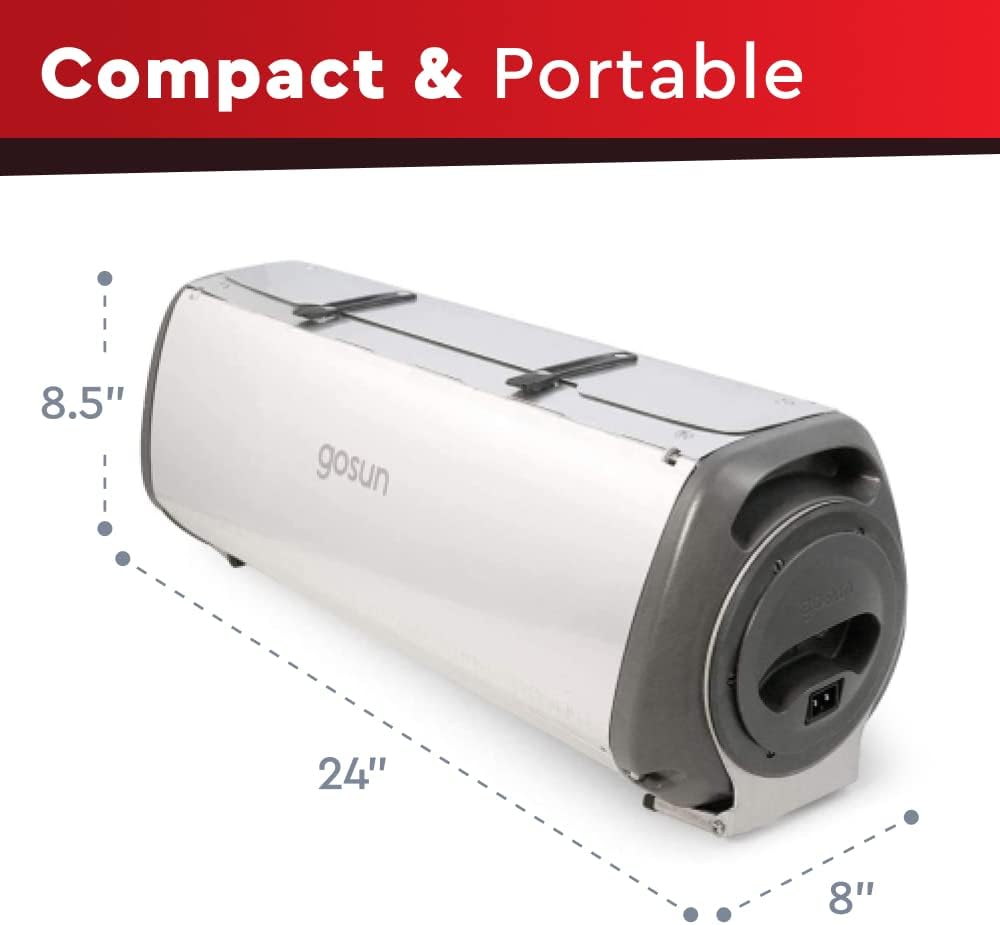
A solar oven is exactly what it sounds like: a cooking device that captures sunlight and converts it into heat, with no electricity, no propane, and no burning wood. Most portable solar ovens work by bouncing sunlight off reflective panels and directing it into an insulated cooking chamber sealed under a transparent cover—trapping heat the same way a car interior bakes on a summer afternoon. The Sunflair is one of the lightest and most packable examples of the category: it folds flat to about the size of a large pizza box, weighs under two pounds, and sets up in roughly a minute. If you’re reading this, you already understand the appeal—zero fuel cost, genuinely useful for camping or off-grid cooking, and a low-stakes entry point into solar cooking before you commit to a heavier parabolic concentrator or a $1,400 wood-fired oven build. What you probably want answered is: which Sunflair version actually makes sense for your situation, and is the bundled cookware worth it? Let’s dig in.
The Sunflair Lineup, Mapped
Sunflair sells two core sizes and two colorway options, which creates a small matrix that’s easy to mis-read when you’re shopping fast.
Mini — the smaller unit, with an interior capacity around 0.6 liters (roughly enough for a single-serving meal or two pouches of dehydrated food). Published specs put the unloaded weight at approximately 1.5 lbs. Manufacturer-rated peak temperature lands around 250–285°F under strong direct sun—warm enough to cook eggs, heat pouches, and bake small items, but below the 300°F threshold where bread browns confidently.
Deluxe — the flagship, with roughly 1.5–2x the interior volume of the Mini and dual cooking chambers. Published specs rate it up to 285°F similarly, but owners consistently report that the larger reflector panel array captures more total energy, translating to slightly faster heat-up times in real-world conditions. Solar Cookers International, in their Solar Cooker Review Archive, covers the Sunflair Deluxe most extensively when discussing performance benchmarks for soft-sided panel cookers in this class.
Camo vs. Standard — this is purely cosmetic. The Camo colorway uses a camouflage-patterned exterior on the carry bag and oven sleeve; the reflective cooking surfaces inside are identical. Treehugger, in their Best Solar Ovens Buying Guide, confirms this is a common reader point of confusion: the camo version does not perform differently, charge differently, or pack differently. If you’re outfitting a glamping operation and want cohesive visual branding, the standard gray/silver reads more neutral. If you’re a backcountry user who wants the bag to blend in at a trailhead, camo is a legitimate preference. That’s the entire decision.
Size and Price Overview
| Version | Approx. Weight | Interior Capacity | Approx. Retail (May 2026) |
|---|---|---|---|
| Mini (Standard) | ~1.5 lbs | ~0.6 L | $70–$85 |
| Mini (Camo) | ~1.5 lbs | ~0.6 L | $75–$90 |
| Deluxe (Standard) | ~2.0 lbs | ~1.2–1.5 L | $110–$135 |
| Deluxe (Camo) | ~2.0 lbs | ~1.2–1.5 L | $115–$140 |
Prices reflect aggregated retailer data as of May 2026; verify current availability before ordering.
Mini vs. Deluxe vs. Bundled Kit: The Decisions That Actually Matter
This is the fork in the road. To make it navigable, each configuration is broken out below with a clear recommendation tier.
Solo Backpacker or Ultralight Camper
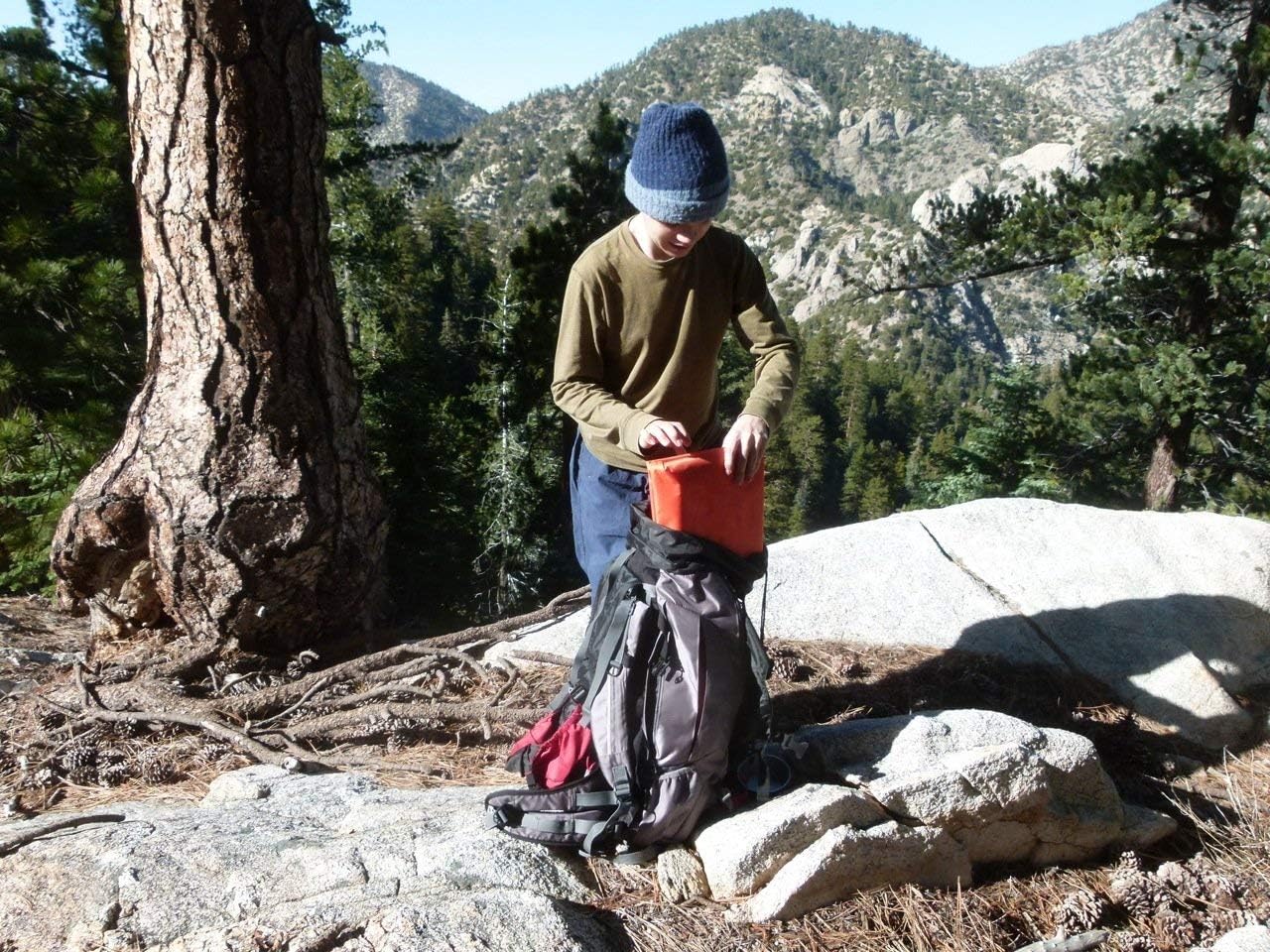
For a single traveler prioritizing pack weight, the Mini is the right entry point. At roughly 1.5 lbs, it costs less pack weight than most titanium cooksets and replaces fuel consumption entirely on rest days when you’re in camp for hours. It handles pouch meals, egg cookery, and rehydration tasks reliably. The constraint is time: at 250–285°F, cooking is slower than a stove. You’re setting up lunch and returning to it—not sautéing on demand. The cookware kit belongs in this bundle. The flat-pack silicone pots add minimal weight, and the performance difference from form-fitting dark cookware is meaningful when you only have one small chamber to work with. Budget $95–$120 total.
Sunflair
$104.99
In stock on Amazon
Check price on AmazonCouples, Small Groups, and Backyard Cooks
If you’re cooking for two or more, the Mini creates friction fast. The 0.6-liter chamber means two portions require two cooking cycles, which can stretch a 45-minute lunch into 90 minutes. Outside Online, in their Solar Cooking Gear Roundup, specifically flags this as the primary complaint from couples and small-group users who chose the Mini on price and regretted not sizing up. The Deluxe’s dual chambers change the math meaningfully: you can run a grain or starch in one chamber while proteins cook in the other. Add the cookware kit here too—bundled pricing is typically $10–$15 cheaper than purchasing components separately, and you’ll use the Deluxe regularly enough that cooking quality matters. Budget $135–$170.
Sunflair
$104.99
In stock on Amazon
Check price on AmazonHomesteaders, Glamping Operators, and Off-Grid Developers
At this tier, the Sunflair is most useful as a supplemental prep tool—slow-cooking sauces, proving dough, warming sides—while a higher-output solar concentrator or wood-fired oven handles the primary cook. Dwell, in their Off-Grid Outdoor Kitchen Features coverage, consistently shows Sunflair-class devices positioned exactly this way: as a passive background cooker that requires no attention and zero fuel, running alongside higher-output equipment for centerpiece meals. The Deluxe in standard colorway is the right spec. For operators sourcing four or more units, skip the bundled cookware kit and source compatible dark silicone bakeware in bulk through a restaurant supply channel—the per-unit savings aggregate meaningfully at volume. Budget $110–$125 per unit fully equipped at modest volume.
GOSUN
$399.00
In stock on Amazon
Check price on AmazonIs the Cookware Kit Worth Adding?
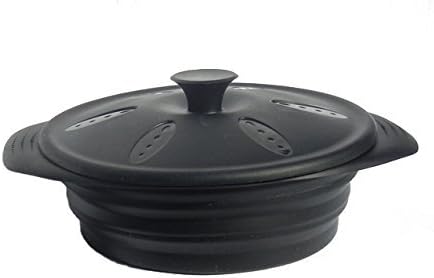
Sunflair sells an optional cookware kit that includes flexible silicone pots and pans sized specifically to fit the oven chambers. This is where a lot of buyers either get good value or waste money, depending on their context.
The case for the kit: The silicone cookware is designed to flex into the Sunflair’s curved interior, maximizing contact with the heated chamber walls and minimizing wasted space. Standard round pots don’t fit efficiently—you lose 20–30% of the usable space to dead corners. Owners who bought the kit report that food cooks noticeably more evenly than improvised solutions, particularly for baked goods and egg dishes where bottom heat matters. The kit also packs completely flat, which matters if you’re fitting this into an ultralight setup. Solar Cookers International, in their Solar Cooker Review Archive documentation on maximizing panel cooker efficiency, notes that cookware-to-chamber fit is one of the most underrated performance variables in soft-sided solar ovens—dark, form-fitting pots absorb and hold heat better than light-colored, loose-fitting improvised containers.
The case against the kit: If you already own dark silicone bakeware in the right size range (roughly 6–7 inches in diameter for the Deluxe), you can achieve comparable results without the bundle premium. The kit adds $25–$35 to your total outlay. For operators outfitting multiple Sunflair units, sourcing compatible dark silicone bakeware in bulk from a restaurant supply channel is a legitimate cost optimization that the kit price doesn’t support at scale.
Summary by buyer type:
- Solo backpacker, Mini: buy the kit
- Household or backyard user, Deluxe: buy the kit with the oven
- Glamping operator or commercial buyer sourcing 4+ units: skip the bundled kit, source silicone bakeware separately
Where the Sunflair Fits (and Where It Doesn’t)
This section matters because the Sunflair is frequently mis-purchased by buyers who expect it to perform like a parabolic solar concentrator (which can reach 400°F+) or a wood-fired oven. It will not make pizza. It will not sear. It will not get a skillet screaming hot.
What it does well, consistently, according to Solar Cookers International’s Solar Cooker Review Archive and aggregated owner reporting:
- Slow-cooking grains, legumes, and root vegetables over 2–4 hours
- Baking muffins, quick breads, and brownies in the 250–285°F range
- Cooking eggs (scrambled, frittata-style) in 45–60 minutes under strong sun
- Rehydrating dehydrated meals with retained solar heat
- Pasteurizing water (important for off-grid and emergency-preparedness buyers)
Where it falls short:
-
Cloudy or partially cloudy days: output drops sharply below 50% sun coverage. Treehugger’s Best Solar Ovens Buying Guide flags this as the most common disappointment for buyers in the Pacific Northwest or other overcast-dominant climates. If you live in Seattle or Portland, treat the Sunflair as a summer specialty tool, not a primary cooker. The Sunbelt, high-altitude Rocky Mountain states, and most of California and the Southwest are where this device performs most reliably.
-
Time-sensitive cooking: solar cooking is slow cooking. You cannot speed it up by adding fuel. Plan cook windows around sun availability—typically 10 a.m. to 3 p.m. for peak output—and build in buffer time.
-
Winter use in northern latitudes: low sun angles from December through February mean the reflector panels capture significantly less energy even on clear days. Manufacturer documentation acknowledges this; experienced owners report the oven functions best between roughly April and October above the 40th parallel (approximately the Denver–Philadelphia latitude line).
The Decision Rule
If you’ve made it this far, here’s the clean if/then framework:
If you’re a solo backpacker or ultralight camper who wants a zero-fuel lunch tool for summer trips: Mini + Cookware Kit. You’ll spend $95–$120 total and get a genuinely useful, packable system.
Sunflair
$104.99
In stock on Amazon
Check price on AmazonIf you’re cooking for two or more, or want a versatile homestead or backyard supplemental cooker: Deluxe + Cookware Kit. Budget $135–$170. This is the configuration most owners who’ve used both sizes wish they’d bought first, a pattern Outside Online’s Solar Cooking Gear Roundup reinforces when summarizing common upgrade regrets.
Sunflair
$104.99
In stock on Amazon
Check price on AmazonIf you’re in a cloudy climate—Pacific Northwest, upper Midwest, New England: consider carefully before buying any Sunflair. It’s not that the product is bad; it’s that your insolation (the amount of solar energy available per square meter per day) simply won’t support consistent use for much of the year. A hybrid wood/solar cooker or a dedicated wood-fired unit may serve you better as a primary outdoor cooking investment.
If you’re a glamping operator or eco-resort developer specifying multiple units: Deluxe in standard colorway, cookware sourced separately in bulk. Plan around $110–$125 per unit fully equipped at modest volume, and position the Sunflair as a passive prep station that runs unattended while guests engage with higher-output cooking equipment for centerpiece meals. Dwell’s Off-Grid Outdoor Kitchen Features coverage consistently frames this dual-tier approach—passive solar for background tasks, high-output wood or gas for the main event—as the practical standard for professionally designed off-grid outdoor kitchens.
GOSUN
$399.00
In stock on Amazon
Check price on AmazonThe Sunflair is not a replacement for a serious outdoor cooking setup—but it was never trying to be. At its best, it’s a remarkably elegant piece of equipment that turns free sunlight into a slow cooker with no moving parts and no fuel cost. Buy the right version, set your expectations to match the sun angle, and it will earn its place in your kit.